12th Symposium Driving Simulation
17+18 March 2027 | Neustadt a.d. Weinstrasse, Germany
From Simulation Fidelity to Engineering Confidence
SDS is back for its twelfth lap - staying true to its ambition as the vendor-neutral, application-oriented working conference for Driving Simulation. Positioned between a scientific conference, an industrial user forum, and a hands-on technology platform, SDS brings together developers, researchers, and technology partners. At its core is the question of how simulation, artificial intelligence, and smart testing can help make development processes faster, more efficient, and more reliable - in times shaped by disruptive technologies and growing global competitive pressure. Because the development speed required can only be achieved if these methods deliver reliable, evidence-based results, enabling well-founded decisions within ever-shorter development cycles.
With this 12th edition, we're pursuing a new positioning: the focus shifts from the technical performance of individual systems to their suitability for real development decisions. Under the guiding theme "Engineering Confidence" this is about more than formal validation alone. Equally decisive is transparency about the underlying assumptions, recognizable limitations, existing uncertainties, and the transferability of the results obtained to other scenarios and development tasks.
SDS thus creates a curated platform for the central question of how trust in simulation-, AI-, and data-driven insights can be built - and how technological performance becomes a reliable foundation for faster, safer, and more efficient development decisions.
GUIDING QESTIONS
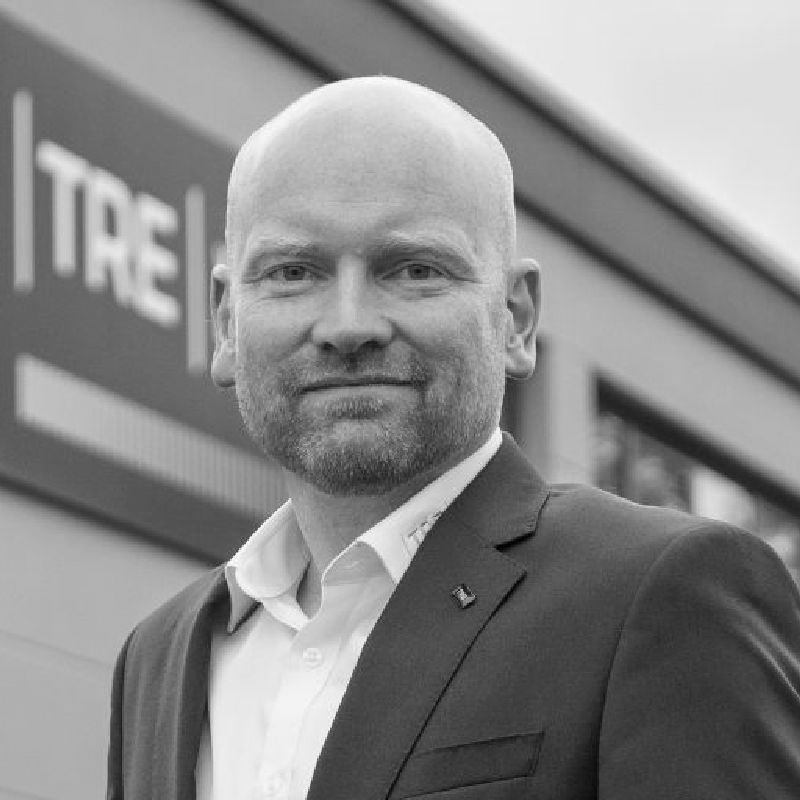
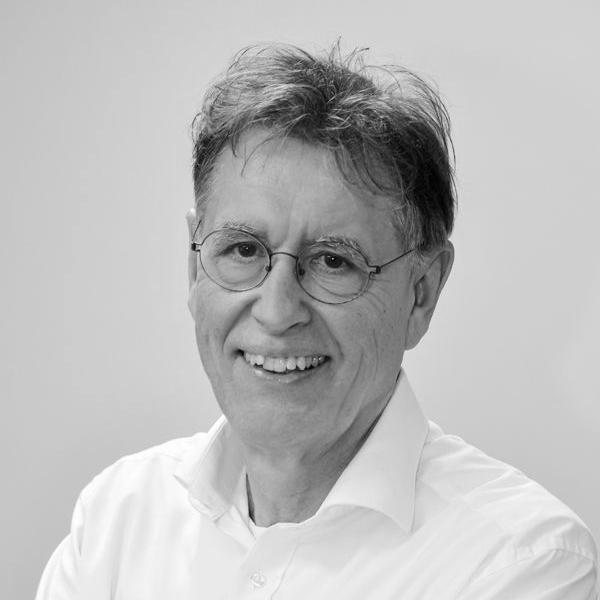
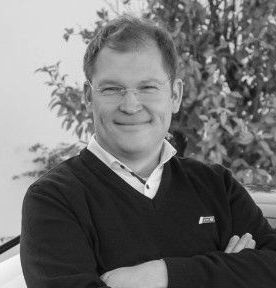
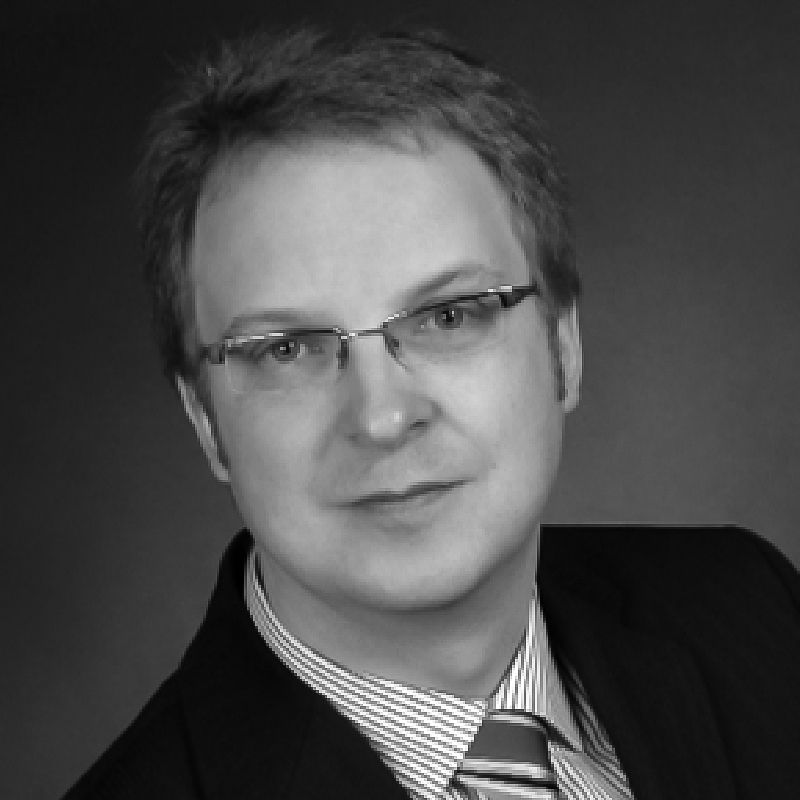
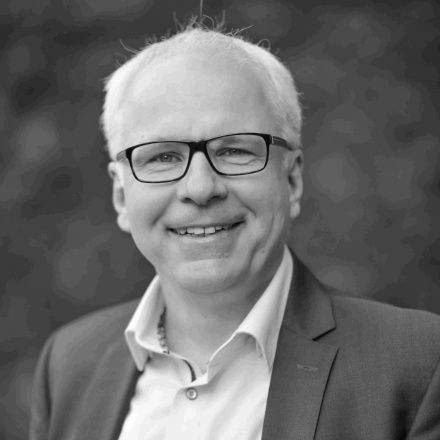
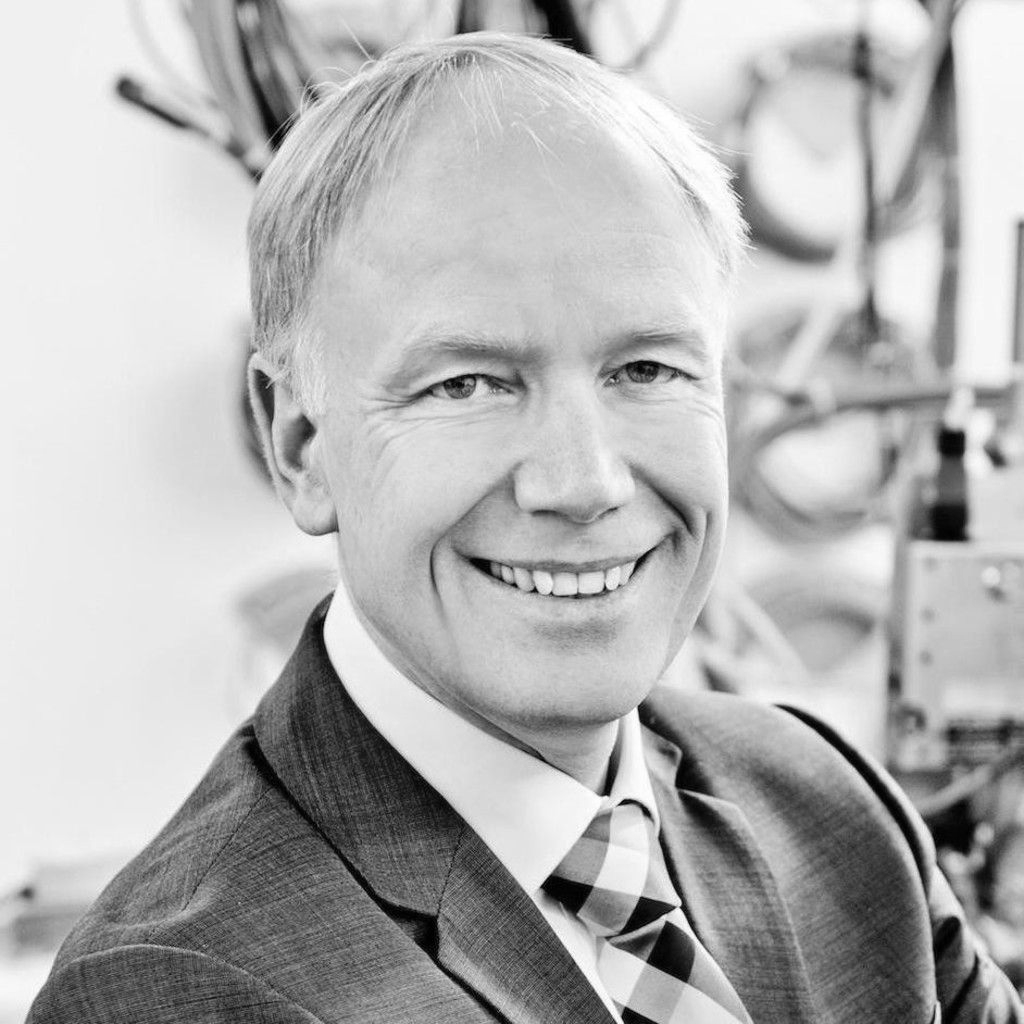
With the four new guiding questions, SDS gains a clear content backbone that creates a common thread from submission through to discussion on-site. This evolution is accompanied by the newly established SDS Performance Board - a panel of experienced experts from industry and research who ensure the content quality and practical relevance of contributions and guide the strategic development of SDS.
- What Must Be Real? - What fidelity is actually required for which use case?
- When Can We Trust the Result? - How does immersion become reliable engineering evidence?
- How Does Simulation Scale? - How does a demonstrator become an industrial development process?
- Who or What Is Driving? - How are human models, AI agents, and intelligent vehicles changing simulation?
SDS Performance BOARD
CALL FOR PRESENTATIONS
SDS thrives on practical relevance: we're looking for contributions that translate experience into actionable solutions, transfer the latest research results into industrial application, and make real case studies - including their limitations - transparent.
The symposium spans core simulation domains of virtual vehicle development:
- Vehicle Dynamics & Handling
- Ride Comfort & NVH
- ADAS/AD & Sensor Simulation
- Driving Simulator Technology
- Human Factors & Driver Behavior
- Toolchain & Process Simulation
We're therefore seeking contributions that show how simulation, AI, and smart testing generate reliable engineering confidence across these domains - structured around SDS's four guiding questions.
1. What Must Be Real?
What fidelity is actually required for which use case?
Typical topics and contributions:
- Motion cueing, latency, and perception
- Visualization and XR
- Tire, vehicle dynamics, and road models
- NVH, sound, and haptics
- Sensor and environment models
2. When Can We Trust the Result?
How does immersion become reliable engineering evidence?
Typical topics and contributions:
- Simulator validation and correlation
- Objective and subjective evaluation
- Sim-to-real and real-to-sim
- Reproducibility
- Uncertainty
- Simulation quality
- Virtual sign-off and certification
3. How Does Simulation Scale?
How does a demonstrator become an industrial development process?
Typical topics and contributions:
- Integration of DiL, SiL, HiL, and ViL
- End-to-end toolchains
- Data models
- Automated scenarios
- Test automation
- Continuous validation
- Cloud/HPC
- Standards
- Business case and organizational rollout
4. Who or What Is Driving?
How are human models, AI agents, and intelligent vehicles changing simulation?
Typical topics and contributions:
- Human Driver Models and Cognitive Digital Twins
- AI agents
- Human- and AI-in-the-loop
- HMI and driver state
- Simulation Architectures and World Models
- Training and new user groups
SUBMISSION
Please submit your proposal(s) using the online form at: Link will follow soon.
Submission form will close on November 27, 2026.
Proposals should adress the following points:
- Engineering problem and affected decision
- Hypothesis or central question
- Method, simulator setup, and data basis
- Result or expected evidence
- Limitation, uncertainty, or open question
- Transferable value for other organizations
- Possible demonstration or interaction
ACCEPTANCE CRITERIA
We will use the following criteria for evaluating submissions:
Relevance (20%)
Does the contribution clearly address a conference guiding question?
Evidence (20%)
Are data, method, and conclusion traceable?
Industrial benefit (15%)
Does the contribution support real development decisions?
Degree of novelty (15%)
Does the contribution bring a new method, experience, or perspective?
Transferability (10%)
Is the insight applicable beyond the individual case?
Discussion potential (10%)
Does the contribution enable relevant professional exchange?
Neutrality (10%)
Is the informational content clearly higher than the promotional share?
NOTIFICATION OF ACCEPTANCE
Decisions regarding which proposals will be included in the final program will be made by the mid of December. In some cases, we may reach out to you for additional information before finalizing our decision. Thank you very much for contributing to the success of SDS 2027 by submitting your proposal. If you have any questions, please don't hesitate to contact us. Feel free to pass this call for presentations on to your colleagues.
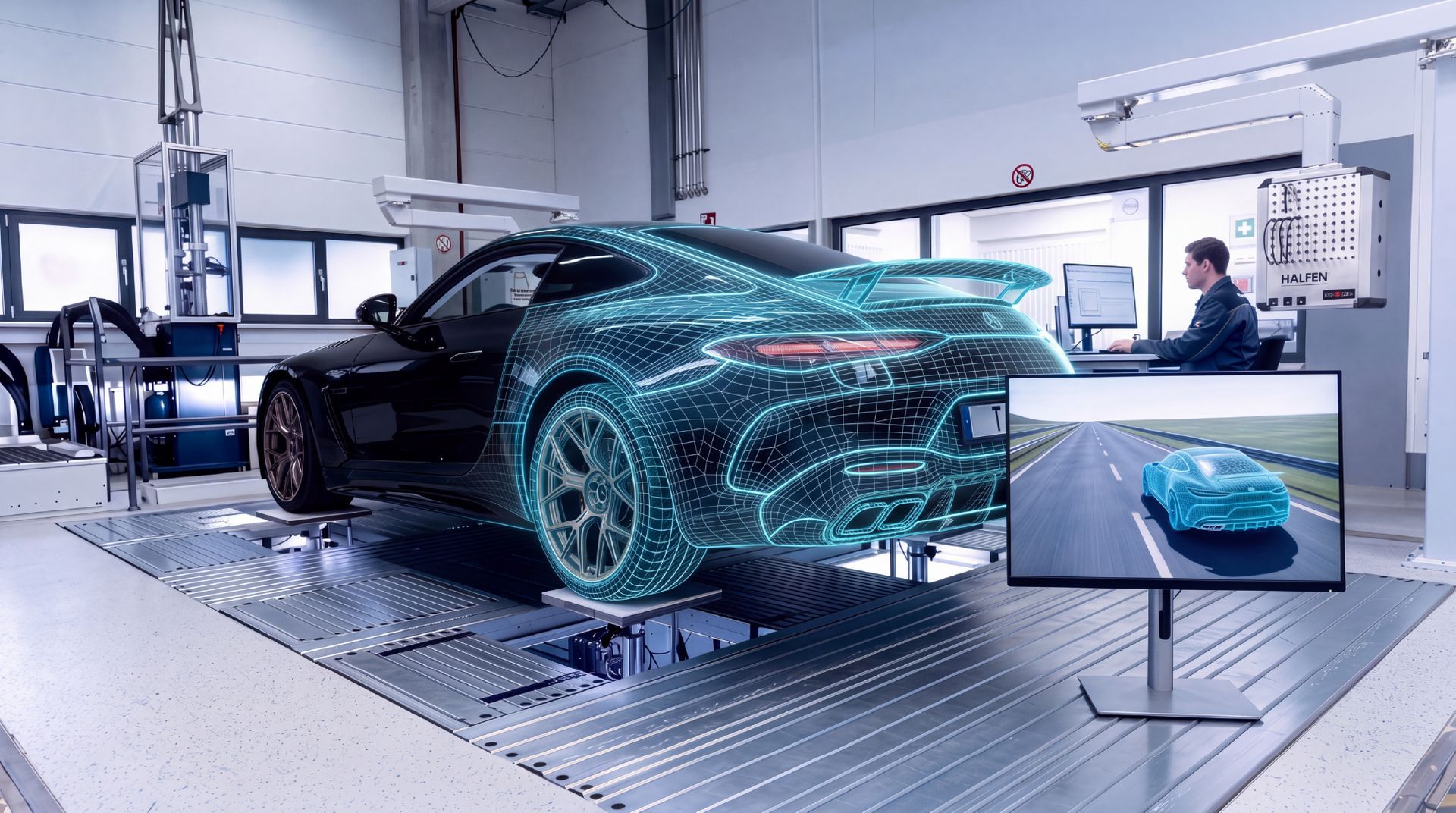
The Setting: Team Rosberg Engineering
In 1997, Formula 1 World Champion Keke Rosberg founded TRE alongside the racing team, bringing the engineers' chassis expertise to major automakers. Today, work for series manufacturers makes up around 90% of TRE's business.
From 2008 to 2024, TRE was a joint venture between Team Rosberg and IAV GmbH; since January 2025, Nico Rosberg has been sole owner, with TRE remaining part of IAV's value-creation network - giving clients access to world-class development resources across Europe, the Americas, and Asia..
It is at this venue, where racing experience and industrial series development have converged for over 25 years, that the ambition of SDS becomes tangible.
What Participants Take Away
Our ambition is for every participant to leave SDS with three concrete outcomes:
- a better understanding of which simulator and model fidelity their own use case actually requires,
- traceable case studies with results, limitations, and lessons learned,
- concrete contacts, project ideas, and methodological approaches for further collaboration
PRELIMINARY AGENDA
17 March 2027
DAY 1
9:00 AM CET
The Grid Line-up
Registration, Networking, and Tech Expo
09:30 AM
Drivers' Briefing
Welcome by the Organizer & SDS Performance Board
09:45 AM
Turn 1
Opening Keynote
10:15 AM
The Main Straight
Session I
11:00 AM
Pitstop 01
Networking and Tech Expo
11:40 AM
The Technical Sector
Session II
12:40 PM
Refueling & Service
Lunch Break,
Networking and Tech Expo
2:00 PM
The Back Straight
Session III
3:20 PM
Pitstop 01
Networking and Visit to the Technology Exhibition
4:00 PM
The Final Stint
Session IV
5:15 PM
Parc Fermé
Hotel Check-in and refresh break
6:45 PM
Paddock Club
Dinner, Networking, and Lab Circuit / Demos
18 March 2027
DAY 2
8:30 AM CET
The Grid Line-up
Networking and Tech Expo
09:00 AM
Turn 1
Keynote
9:30 AM
The Main Straight
Session V
10:10 AM
Pitstop 01
Networking and Tech Expo
10:40 AM
The Technical Sector
Session VI
12:00 PM
Refueling & Service
Lunch Break, Networking, and Tech Expo
1:20 PM
The Final Stint
Session VII
2:20 PM
Pit Stop 04
Networking and Visit to the Technology Exhibition
2:50 PM
The Final Dash to the Flag
Closing Keynote
3:20 PM
The Chequered Flag
SDS Engineering Confidence Roadmap - Synthesis by advisory board and moderators
3:50 PM
The Podium Ceremony
Award, handover of the baton, and closing
4:00 PM
End
SPONSORS & EXHIBITORS

TICKETS
Your ticket for the 12th Symposium Driving Simulation includes:
- Full access to all keynotes, expert talks and workshops
- Entry to the tech expo and networking area
- Complimentary catering throughout the days
- Access to event app, event proceedings and management summary
Experience two days of knowledge-sharing, innovation, and community in the field of Driving Simulation.
| FEE | Till February 14, 2027 | After February 14, 2027 |
|---|---|---|
| ASCS Member | 350 € | 450 € |
| ASCS Academic Member | 175 € | 225 € |
| Regular (non-member) | 590 € | 690 € |
| Regular Academic (non-member) | 275 € | 325 € |
all prices +VAT
The academic fee applies to employees and students of universities, universities of applied sciences, research institutions, and non-profit organizations.
Showcase Your Technology
at 12th Symposium Driving Simulation
Would you like to present your cutting-edge technology or research to our audience and connect with potential partners and clients? Our exhibition area offers the ideal platform to showcase your research activities, solutions, products, or services to an engaged and forward-thinking crowd.
Whether you’re working on groundbreaking simulation software, advanced AI technologies or intelligent services in the field of mobility simulation, we’re excited to feature your innovation at our event. This is your opportunity to highlight your contributions to the future of mobility.
It’s simple to get involved:
Contact us to discuss the possibilities for securing your exhibition stand. Together, we’ll create a space that puts your technology in the spotlight and fosters collaboration with industry leaders and researchers.
Reach out to us now to join the exhibition!
We look forward to hearing from you and showcasing the future of mobility simulation together.